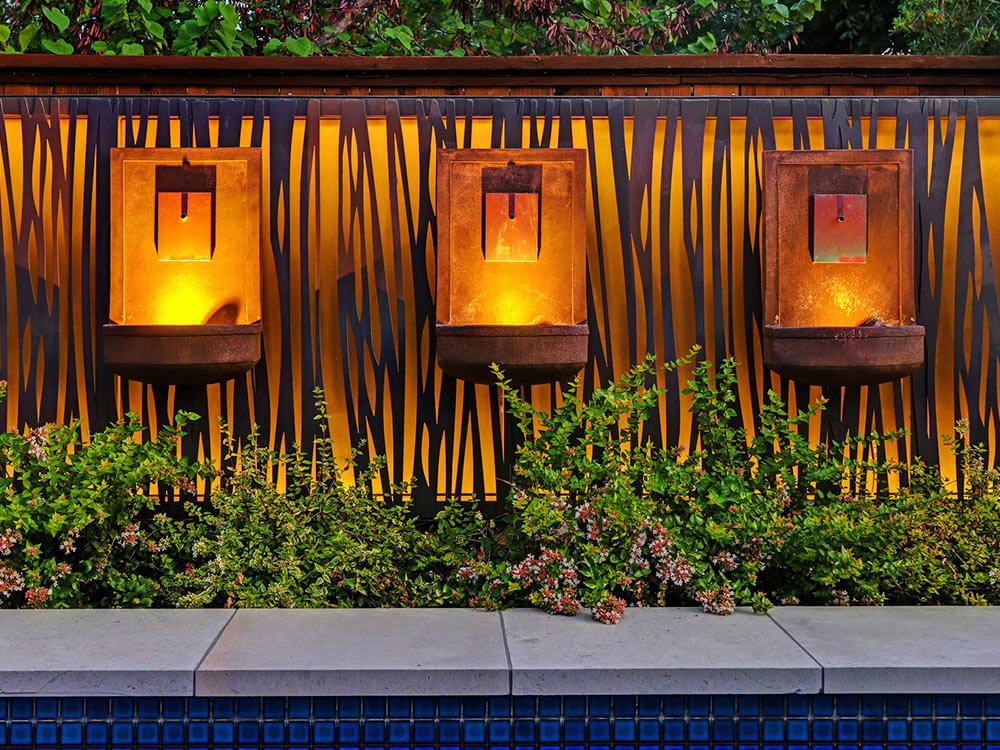
A great residential outdoor lighting system does more than make your yard look pretty at night. It helps you use your outdoor space longer, makes walkways safer, and can even make your home feel more welcoming when you pull into the driveway after dark. In Cypress, where warm evenings stretch late, good lighting means you actually get to enjoy that time outside instead of heading in as soon as the sun goes down.
To get that kind of reliable, comfortable light, you need more than just a few fixtures in the ground. The key pieces all work behind the scenes: the transformer, low-voltage wiring, zoning, and the controls that tell the lights when to turn on and off. When you understand the basics, you can ask better questions, avoid common headaches, and work with a pro team to build a system that fits how your family really lives outside.
Brighten Cypress Nights with Smarter Outdoor Lighting
On a late summer night in Cypress, the air finally cools off a bit, kids want to play in the yard, and adults are ready to sit on the patio. But dark steps, poorly lit corners, and bugs buzzing around the porch light can send everyone back inside quickly.
Well-planned residential outdoor lighting systems help:
- Light walkways, steps, and pool edges for safer movement
- Highlight trees, beds, and the home itself for curb appeal
- Make patios and seating areas feel inviting instead of harsh or gloomy
- Support mosquito control systems so you can relax instead of swat
Behind every clean, even glow are four big pieces working together: a transformer, low-voltage wiring, smart zoning, and lighting controls like timers or photocells. Once you know what each part does, it is much easier to talk through options and get a design that fits your home, not just a box kit from the store.
Why Professional Outdoor Lighting Starts at the Transformer
Think of the transformer as the power hub of the whole system. It takes standard 120-volt power from your house and steps it down to low voltage, usually 12 volts, that is better suited for landscape lights. This is important for safety around kids and pets, for energy use, and for meeting electrical codes.
Basic plug-in units you see in big box stores are made for short runs and small yards. In many Cypress neighborhoods, lots are deep, runs are long, and the heat and humidity work your equipment hard. That is where professional-grade, multi-tap transformers make a difference. They can:
- Feed longer wire runs without lights getting dim at the end
- Adjust voltage for different zones so all fixtures shine evenly
- Support larger systems without constant overloading
Sizing the transformer is not guesswork. A pro will:
- Add up the wattage of all planned fixtures
- Choose a transformer that fits that load with room to grow
- Leave capacity for future zones, like a new seating area or garden
Placement matters too. You want the transformer mounted where it is:
- Protected from standing water and sprinkler overspray
- Close enough to main lighting areas to keep wire runs reasonable
- Tied into surge protection to help handle frequent Gulf Coast storms
Low-Voltage Wiring That Keeps Your Yard Safe and Beautiful
If the transformer is the heart, the low-voltage wiring is the circulatory system. It carries power from that hub to each light, and how it is laid out affects how your system looks and performs.
Wire gauge, or thickness, matters a lot. The longer the run, the more voltage you lose along the way. Thicker wire helps keep lights brighter and more consistent across the yard. Undersized wire can lead to:
- Dim lights at the far end of a run
- Hot spots at connection points
- Shorter life for fixtures and connections
Pros use different wiring layouts depending on your yard and design:
- Daisy chain: lights connected in a line, good for short, simple runs
- T-style: a main line with branches, useful when splitting around beds or paths
- Hub wiring: multiple runs meeting at a central point, great for even brightness and easier service later
In Cypress, clay soils, heavy rains, and lawn equipment all stress the wiring. Good installers bury wire to the right depth, protect it where it crosses hard edges, and use corrosion-resistant, waterproof connections. Skipping those steps or trying DIY shortcuts, like shallow burial or mixing metals at the connectors, can lead to tripping hazards, flickering lights, and lots of frustrating repairs.
Quality wire and clean connections usually mean less maintenance down the road and a system that quietly does its job for many seasons.
Zoning Your Lighting for Everyday Living and Special Events
Zoning is how we group fixtures so you can control them separately. Instead of one big on/off switch for the whole yard, we create zones like:
- Path and step lighting
- Patio and seating areas
- Pool and water features
- Architectural accents on the house
- Soft security and perimeter lighting
This makes your system more flexible and helps you use energy wisely. For example, a Cypress family might:
- Keep a soft, warm setting on weeknights for dinner on the patio
- Turn on brighter, wider coverage for weekend football watch parties
- Leave just a gentle security zone on overnight so the house feels safe without bothering neighbors
Good zoning starts at the design stage. At the transformer, we plan which wires feed which fixtures and how those zones might grow later. Out in the yard, we route lines and make connections so it is simple to add more fixtures when you add a new seating area, refresh your landscaping, or expand a mosquito misting line.
Thoughtful zones also make it much easier to add smart controls later. You can upgrade how you control the system without ripping out what is already in the ground.
Smart Timers vs. Photocells for Set-and-Forget Control
Controls are what turn your residential outdoor lighting system into something you do not have to think about every night.
Photocells are small sensors that read natural light. They turn the system on at dusk and off at dawn. They work well for:
- Simple perimeter or security lighting
- Homeowners who want lights on whenever it is dark
- Automatic adjustment through seasons as days get longer or shorter
The tradeoff is less precise control. With a photocell alone, lights may stay on all night, even if you only need them until bedtime.
Smart timers give you more options. Many connect to an app or tie into your existing smart home. With the right setup, you can:
- Set exact on and off times for each zone
- Create scenes like “Entertaining,” “Weeknight,” or “Overnight”
- Adjust schedules when you travel so the house still looks lived in
- Coordinate lighting with other systems, such as your mosquito misting schedule
For many Cypress homes, a hybrid approach works well. You can let a photocell handle the “on at dusk” part, then use a timer to shut some or all zones off at a set time, like midnight. That way you get comfort in the evening without running everything until dawn.
Plan Your Ideal Cypress Lighting System with Local Experts
The outdoor lighting systems that look the best and last the longest are almost always the ones where the invisible parts were planned carefully. When transformer sizing, low-voltage wiring, zoning, and controls work together, your yard feels like a true extension of your home instead of a dark space you rush through.
A good first step is to walk your property at dusk. Notice:
- Dark spots or trip hazards
- Favorite trees, beds, or architectural features
- High-traffic areas like patios, side doors, and pool decks
- Places where mosquitoes tend to gather and ruin the fun
Make a few notes about how you want to use each space on a normal weeknight and on special occasions. Late summer is a great time to get a system in place so it is ready for back-to-school routines, game days, and all the evenings outside that follow.
At Texas Natural Concepts, we are a family- and veteran-owned company based right here in the Greater Houston area, and we focus on custom outdoor lighting and automated mosquito misting that fit our climate and lifestyle. With the right plan and the right components, your residential outdoor lighting system can quietly do its job night after night, so you can relax and enjoy your Cypress backyard.
Get Started With Your Project Today
Transform your property with custom-designed residential outdoor lighting systems that highlight your home’s best features and improve safety after dark. At Texas Natural Concepts, we take the time to understand your goals and create a tailored lighting plan that fits your space and budget. If you are ready to explore options or schedule a consultation, simply contact us and we will guide you through the next steps.