
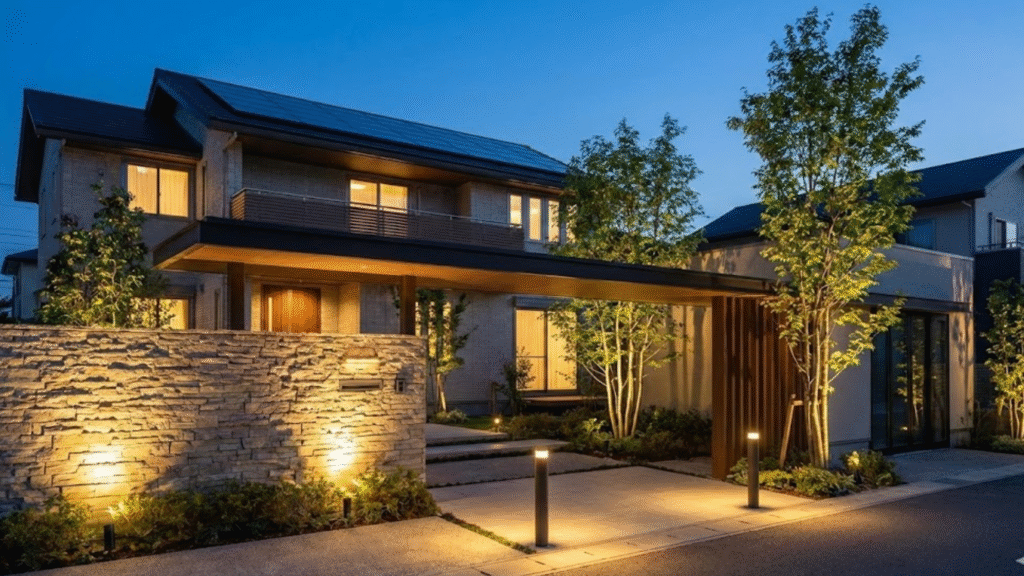
Good lighting turns a yard into a usable, welcoming space — and it’s a key part of outdoor design. This guide walks through practical landscape lighting techniques like uplighting, moonlighting, and accent lighting so you can showcase your hardscape, guide guests safely, and boost curb appeal. Many homeowners and businesses leave outdoor areas dark and underused; with the right approach you can highlight the things you love about the property while improving safety. We’ll cover how each technique works, when to use it, security benefits, and why modern LED and smart systems are smart investments.
What is uplighting, and how does it lift your landscape?
Uplighting places fixtures on the ground and directs light upward to define trees, columns, and other focal points. The result is drama and texture — bark, trunks, and architectural details pop after dark, and the space gains depth and definition. Placing uplights thoughtfully creates visual anchors that draw the eye and make yards feel more inviting and intentional.
How to use uplighting to showcase trees and architectural details
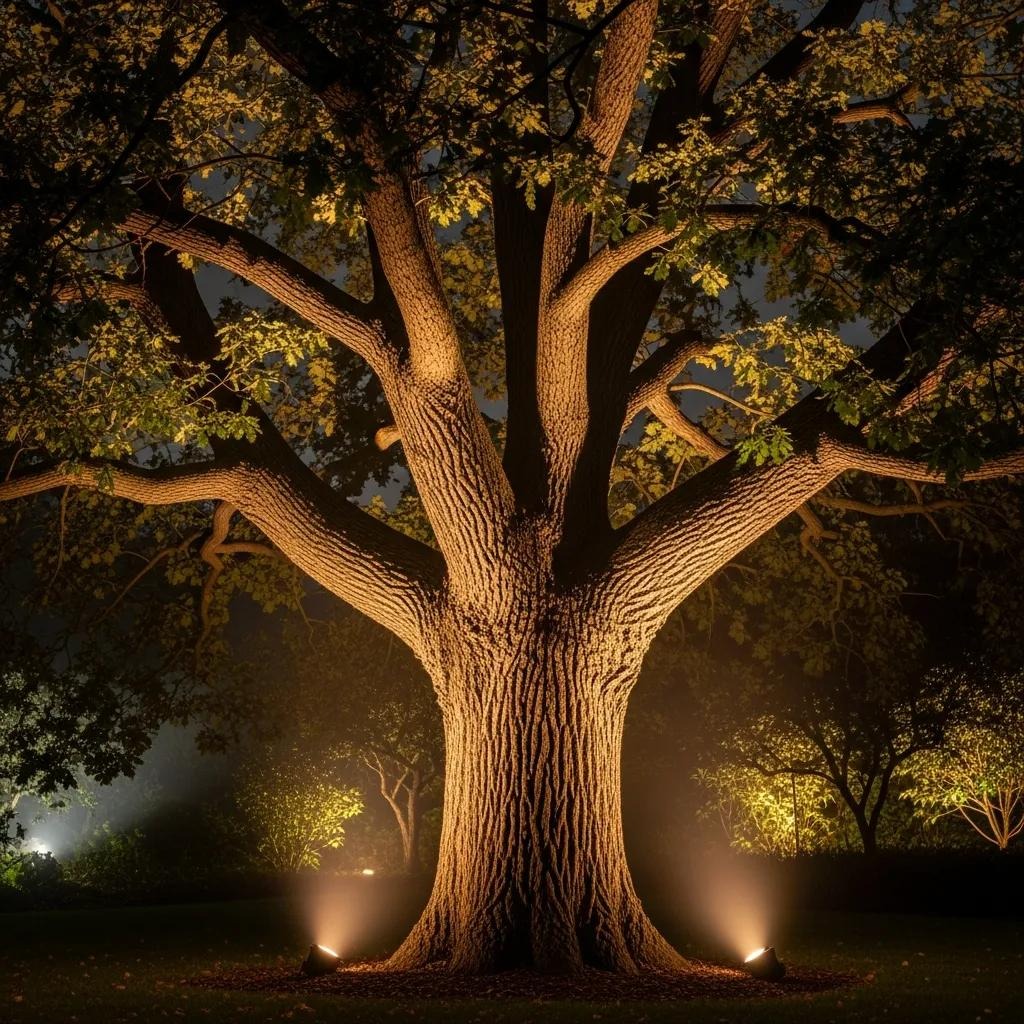
Start by choosing the features you want to highlight — mature trees with textured bark or striking branching, entry columns, or façade details are ideal. Place fixtures at the base and angle them up to create a soft, even wash that emphasizes form without harsh glare. Small adjustments in angle and distance make a big difference, so test placements before finalizing.
Best fixtures and placement tips for effective uplighting
LED spotlights and recessed well lights work well for controlled uplighting. Aim to place lights roughly one-third to halfway up the height of the tree or structure to achieve balanced illumination. Avoid placing a fixture flush to the trunk; backing it off a bit softens shadows. Layering two or three fixtures on a single specimen can add dimension and prevent a flat look. Learn more about Types of Landscape Lighting.
How does moonlighting create a natural, serene evening mood?
Moonlighting mimics soft moonlight by mounting fixtures high in trees or on structures so light filters down through branches. The effect is dappled, understated illumination that’s perfect for patios, paths, and quiet backyard evenings. It’s an elegant way to light a space for both beauty and function.
What moonlighting is and the benefits it brings
Moonlighting places lights above the scene to cast soft, scattered light across the ground. It creates a more natural night-time feel, reduces harsh shadows, and gently lights walking zones and seating areas. This technique enhances safety while keeping the atmosphere relaxed and inviting.
How to get dappled light with tree-mounted fixtures
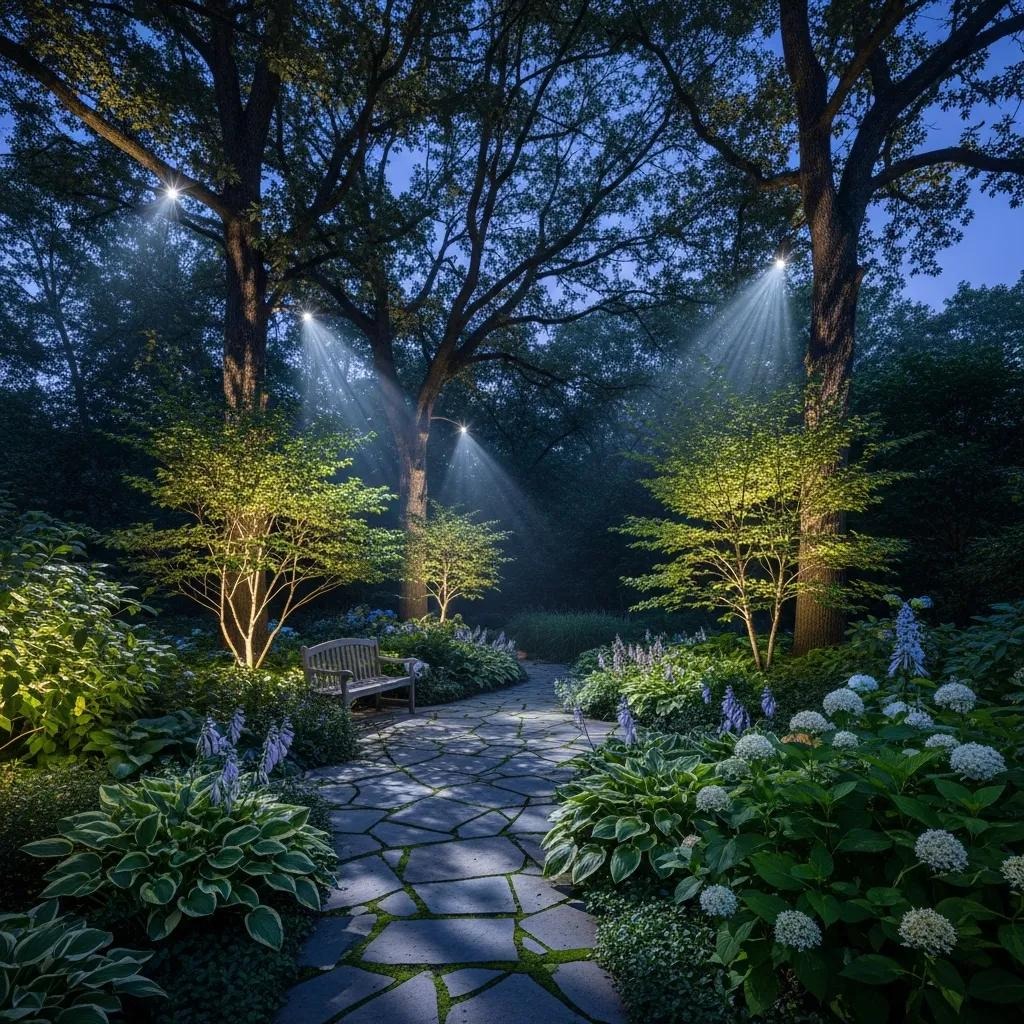
Use small spotlights or pendant-style fixtures mounted high in the canopy and aim light downward so it filters through the leaves. Try different heights and angles until the light looks natural and balanced — you want soft pools and gentle shadows, not bright hotspots. The result is both beautiful and practical for nighttime use.
What accent lighting methods work best for gardens and walkways?
Accent lighting draws attention to plants, sculptures, water features, and paths. Focused fixtures highlight textures and shapes, adding visual interest and guiding movement through the landscape. Done well, accent lighting makes ordinary features feel curated and adds a welcoming layer to any property.
Which accent techniques best emphasize garden features and paths?
Well lights are great for beds and low plantings, while path lights safely guide guests along walkways. Spotlights can pick out a specimen tree or fountain for dramatic effect. Combining these techniques creates layers of light that keep your landscape readable and compelling after dark.
How to pick and place accent lights for the biggest impact
Choose LED fixtures for long life and energy savings. Place lights at varying heights and angles to build depth — a low well light for groundcover, a mid-height fixture for shrubs, and a higher spotlight for trees or sculptures. Space fixtures to avoid dark gaps and minimize overlap for an even, cohesive look.
How does landscape lighting boost security and curb appeal for homes and businesses?
Good lighting both beautifies and protects. Well-placed fixtures deter intruders, make entrances and walkways safer, and present a property attractively at night. Whether residential or commercial, layered lighting improves functionality while enhancing the first impression visitors have of your property.
Security-focused lighting design basics
Security lighting emphasizes visibility where it matters: entryways, driveways, and darker corners. Motion-activated fixtures add an extra deterrent, while focused illumination at doors and paths improves sightlines without washing out the whole yard. Thoughtful placement balances safety and style.
How professional lighting raises property value and curb appeal
Professionally designed lighting makes a property feel cared-for and complete. Buyers and clients notice a well-lit exterior; it suggests safety and attention to detail. Proper lighting can increase perceived value and help a property stand out on the market.
What are the advantages of LED and smart outdoor lighting systems?
LED and smart systems outperform older options in efficiency, lifespan, and control. LEDs use less energy, last far longer, and produce consistent color. Smart controls let you adjust brightness, timers, and scenes from a phone — helpful for energy savings and creating the right mood for any occasion.
Why choose LED for efficiency and durability in landscape lighting?
LEDs deliver bright, focused light while using a fraction of the power of incandescent bulbs. Their long lifespan — often tens of thousands of hours — cuts replacement and maintenance time. That combination reduces operating costs and keeps your system looking its best for years.
How smart lighting controls improve the outdoor experience
Smart controls let you schedule lighting, set scenes for events, and change color temperature or intensity on demand. Whether you want automatic dusk-to-dawn operation or a cozy evening setting for guests, smart systems make it simple to tailor lighting to how you actually use your outdoor space.
How should you maintain and care for landscape lighting?
Routine care keeps a lighting system reliable and attractive. Small checks and seasonal tweaks prevent common issues like dimming, corrosion, or misalignment so your yard stays inviting year-round.
Recommended maintenance schedule for outdoor lighting
Inspect fixtures at least twice a year. Replace burned-out lamps, clean lenses and housings, and make sure fixtures remain pointed where intended. Check wiring and connections for wear, and trim plant growth that blocks light. Seasonal tune-ups help preserve both function and appearance.
Troubleshooting common landscape lighting problems
If lights go out, first check the power source and breakers. Flickering often points to loose connections or failing bulbs. Corroded fixtures should be swapped for weather-resistant models. For more complex electrical issues, call a licensed professional to ensure safety and code compliance.
Comfortable outdoor living goes beyond light — things like effective mosquito maintenance help keep evenings pleasant and pest-free.
| Lighting Technique | Description | Benefits |
| Uplighting | Ground fixtures that cast light upward | Highlights features, adds depth and drama |
| Moonlighting | High-mounted lights that cast soft, downward light | Mimics moonlight, creates a calm, natural feel |
| Accent Lighting | Targeted fixtures that focus on specific elements | Draws attention, improves safety and aesthetics |
This table sums up key lighting approaches and the advantages each delivers, helping you choose the right methods for your landscape’s needs.
Uplighting, moonlighting, and accent lighting are practical tools for making outdoor spaces more beautiful, usable, and secure. When paired with LED fixtures and smart controls, they help you get more evening enjoyment from your property while keeping operating costs low. Ready to transform your landscape? Explore lighting options that fit your style and budget.
Frequently Asked Questions
What common mistakes should I avoid when installing landscape lighting?
Avoid placing fixtures without a plan — poor placement causes glare, harsh shadows, or uneven coverage. Don’t overlook direction: lighting aimed at the wrong spot can produce unwanted spill. Also, ignore power and maintenance needs at your peril; plan for access and seasonal adjustments so the system keeps performing.
How can I use lighting to showcase water features?
Underwater fixtures work well for ponds and fountains, creating a magical glow. For surrounding areas, use angled spotlights or well lights to bring out reflections without blinding viewers. Position fixtures to minimize glare and emphasize movement and texture in the water.
What are best practices for energy-efficient landscape lighting?
Choose LEDs, use timers and motion sensors, and consider solar for low-use spots. Design the layout to use the fewest fixtures while achieving desired coverage, and keep fixtures clean for maximum output. Small controls and good design go a long way toward efficiency.
How do I create a cohesive lighting design for my outdoor space?
Pick a consistent color temperature and fixture style, then layer techniques — ambient for general use, task lighting for patios and steps, and accents for focal points. Balance brightness so no area overwhelms another, and let the landscape’s architecture guide fixture choices.
What role does landscape lighting play in outdoor events?
Lighting sets the mood and directs traffic. Use a mix of ambient light for comfort, task light for dining or cooking zones, and accents to highlight features. Adjustable scenes let you shift from casual to celebratory quickly, keeping guests comfortable and safe.
How can I make my landscape lighting more environmentally friendly?
Use energy-efficient LEDs, add smart controls and timers, and install solar options where practical. Aim fixtures to reduce light spill and avoid over-lighting to limit light pollution. Regular upkeep extends fixture life and keeps performance efficient.
Conclusion
Thoughtful landscape lighting — from uplighting and moonlighting to targeted accents — can dramatically improve how your property looks and functions after dark. Pairing those techniques with LEDs and smart controls gives you flexibility, savings, and lasting performance. If you’re ready to brighten your outdoor life, start with a plan that highlights what matters most on your property.