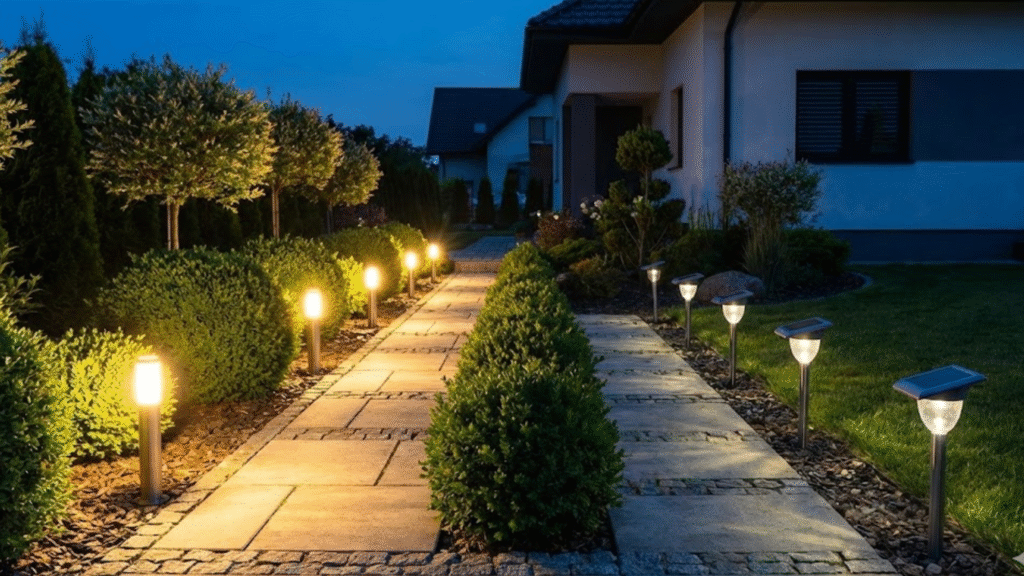
Good landscape lighting does more than brighten your yard — it highlights your home, improves safety, and extends outdoor living time. Houston homeowners weighing LED versus solar options need clear, practical information to choose what fits their yard and budget. Below we compare LED and solar landscape lighting side‑by‑side so you can see the real benefits, common tradeoffs, cost differences, and the best uses for each. We’ll also touch on environmental impact and where professional LED installation makes the most sense.
Key Benefits of LED Landscape Lighting
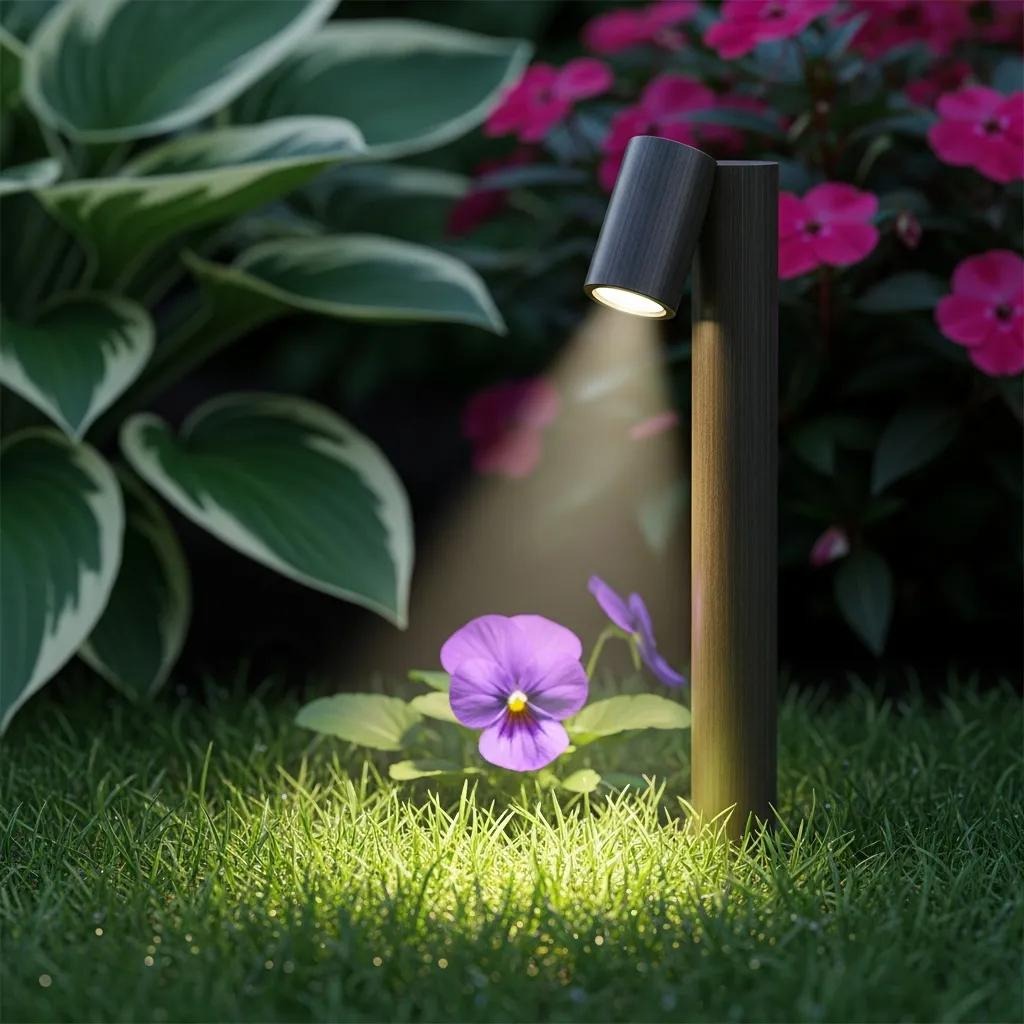
LED landscape lighting is a favorite for homeowners because it combines efficiency, longevity, and consistent performance. LEDs use far less electricity than older bulbs, which lowers monthly power bills. They also last a long time—commonly 30,000 to 50,000 hours or more—so you replace fixtures far less often and spend less on upkeep.
How LED Lighting Provides Brighter, Cleaner Light
LEDs deliver strong, focused light with a high lumen output, so features like trees, pathways, and architectural details look sharp and intentional. You can choose color temperatures from warm to cool to set the exact mood you want. That flexibility makes LEDs ideal for accenting landscape details while keeping walkways and entertaining areas safely lit.
What Energy Efficiency Advantages Do LED Landscape Lights Offer?
Energy efficiency is one of LED lighting’s best selling points. LED fixtures typically use about 75% to 80% less energy than incandescent bulbs, translating to meaningful savings over time. Because they run on lower wattage, you can light larger areas without driving up your electric bill. That efficiency also reduces your home’s carbon footprint, so Types of Landscape Lighting installations are both wallet‑ and planet‑friendly.
Common Disadvantages of Solar Landscape Lighting
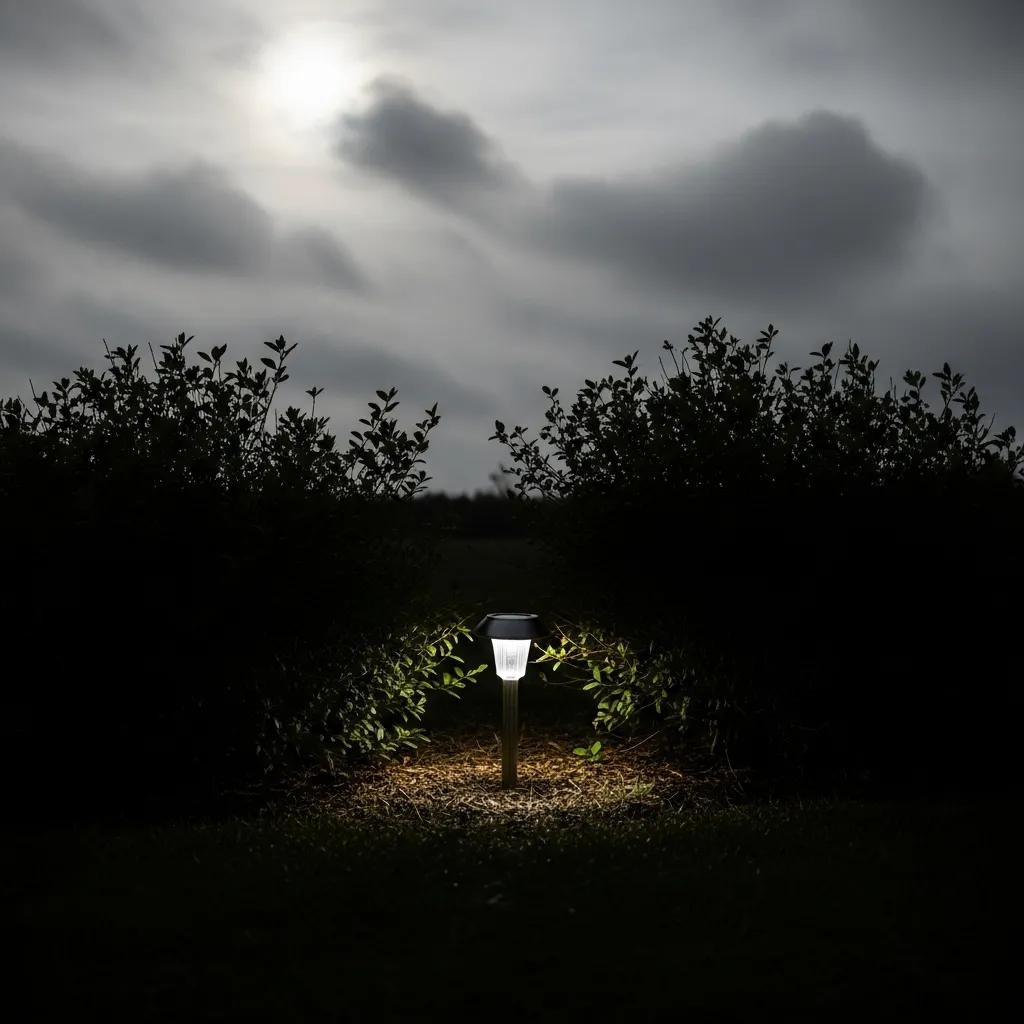
Solar landscape lights can look appealing because of low up‑front cost and easy placement, but they come with real limitations. The biggest is inconsistent brightness and run time: because they rely on daytime sun to charge, performance drops in cloudy weather, shady yards, or winter months. For areas where reliable lighting matters, solar often doesn’t hold up.
Why Is Solar Lighting Brightness and Performance Inconsistent?
Solar fixtures need consistent direct sunlight to fully charge their batteries. In heavily shaded yards or during extended cloudy stretches, the lights may be noticeably dimmer or run shorter hours. Performance also varies by the quality of the panel and battery—lower grade components often fail to deliver steady illumination night after night.
What Durability and Lifespan Issues Affect Solar Outdoor Lights?
Many solar fixtures are built with lighter materials and plastics that degrade faster in outdoor conditions. That means you may be replacing units more often, which can erode any initial savings. Typical lifespans for consumer solar lights are around 2,000 to 5,000 hours, depending on build quality and how they’re used.
How Do LED and Solar Landscape Lighting Compare in Cost and Long-Term Value?
Compare both up front and over time. Solar lights are cheaper to buy individually, but their shorter life and inconsistent performance can add costs later. LEDs usually cost more initially but deliver longer service life and lower operating costs, which often makes them the better investment for permanent lighting.
What Are the Initial Investment Differences Between LED and Solar Lights?
Solar landscape lights can be found for about $20 to $50 per unit, so they’re tempting for tight budgets or temporary setups. Quality LED fixtures typically start around $50 and can run $150 or more, depending on features. The higher up‑front spend for LEDs frequently pays off in durability and lower energy bills over time.
How Do Maintenance and Energy Costs Impact Overall Savings?
Maintenance and running costs are key to total cost of ownership. LEDs need little routine care and use very little electricity. Solar lights may require battery replacements every 1 to 3 years and more frequent fixture swaps if components fail. Factor those ongoing costs into your decision—not just the purchase price. Learn more about Outdoor Lighting Maintenance.
Which Landscape Lighting Options Are Best for Different Outdoor Spaces?
Picking the right lights depends on how you use each space. For permanent installations where you want dependable, quality illumination—pathways, driveways, outdoor living areas—LEDs are usually the right choice. If you need lighting in a spot without power or want a low‑cost accent in a sun‑soaked area, solar can make sense.
When Should Houston Homeowners Choose LED Landscape Lighting?
Choose LED when you want consistent brightness, long life, and flexibility. LEDs excel at highlighting architectural features, providing security lighting, and creating inviting outdoor entertaining spaces. Their efficiency and durability make them the smart pick for homeowners investing in long‑term curb appeal and safety.
In What Scenarios Might Solar Landscape Lighting Be Suitable?
Solar works best for temporary use or accent lighting where consistent output isn’t critical—think a remote garden nook or seasonal decorations where wiring would be impractical. They’re also helpful in locations without easy electrical access, provided the spot gets reliable daytime sun.
How Does Outdoor Lighting Energy Efficiency Influence Environmental Impact?
Your lighting choices affect energy use and waste. Choosing energy‑efficient fixtures reduces electricity demand and the emissions that come with it. That’s one reason LEDs are often the greener long‑term option. Solar relies on renewable energy, but its environmental benefit depends on product quality and longevity.
What Environmental Benefits Do LED Landscape Lights Provide?
LEDs use less electricity, which lowers demand on power plants and cuts greenhouse gas emissions. Their long service life also means fewer replacements and less material waste. Taken together, LEDs offer measurable environmental advantages over shorter‑lived options.
How Does Solar Lighting’s Energy Source Affect Sustainability?
Solar lighting taps a renewable resource—the sun—so it can reduce reliance on grid power. That said, the sustainability payoff depends on fixture materials and durability. Cheap, non‑recyclable units that fail quickly can undermine the environmental benefits of solar energy.
Beyond lighting, consider how to make your outdoor space comfortable and usable. In Houston, effective mosquito maintenance can make evenings outside far more enjoyable year‑round.
Why Does Natural Concepts Recommend Professional LED Landscape Lighting?
Natural Concepts is a family‑ and veteran‑owned company in Cypress, TX, that builds custom landscape lighting systems. We recommend professional LED installations because they deliver reliable performance, meet safety standards, and maximize the effect of a thoughtful lighting design.
What Expertise Does Natural Concepts Offer in Custom LED Lighting Design?
Our team designs lighting plans tailored to each home—balancing beauty, function, and efficiency. We specify high‑quality LED fixtures and position them to highlight your landscape while minimizing glare and energy use. The result is long‑lasting performance and a polished nighttime look.
How Does Professional Installation Ensure Reliability and Longevity?
Licensed electricians install and test every system to ensure safe wiring, correct placement, and consistent operation. Professional installation reduces the chance of failures and protects your investment so the lights work the way you expect for years to come.
| Lighting Type | Initial Cost | Lifespan | Energy Efficiency | Maintenance Needs |
| LED | $50 – $150 | 30,000 – 50,000 hours | High | Low |
| Solar | $20 – $50 | 2,000 – 5,000 hours | Moderate | Moderate to High |
Frequently Asked Questions
What factors should I consider when choosing between LED and solar landscape lighting?
Look at budget, the importance of consistent brightness, sunlight availability, and where the lights will go. LEDs are best for reliability and long‑term value; solar can work for low‑priority areas that get full sun. Also factor in maintenance and energy costs over time.
How can I maximize the performance of solar landscape lights?
Install solar lights where they get direct sun most of the day, keep the panels clean, and choose higher‑quality units with efficient batteries. Avoid shaded locations and position panels to face peak sun exposure for your yard.
Are there any specific maintenance tips for LED landscape lighting?
LED systems need little upkeep, but occasional cleaning of lenses and a visual check of wiring helps keep them performing. Inspect connectors and fixtures for damage and consider a professional check every few years to catch issues early.
What are the environmental impacts of using LED versus solar lighting?
LEDs generally offer lower environmental impact due to energy efficiency and long life. Solar uses renewable energy, which is good for sustainability, but frequent replacements or non‑recyclable materials can reduce its advantage. Choose quality products and plan for longevity.
Can I mix LED and solar landscape lighting in my outdoor design?
Yes. A mixed approach can be practical—use LEDs where you need dependable light (paths, security, entertaining areas) and solar for accents or outlying spots without power. Keep the overall design balanced so the different sources complement each other.
What are the best practices for installing LED landscape lighting?
Plan the layout around key features, use outdoor‑rated fixtures, follow manufacturers’ installation guidelines, and hire a licensed electrician to ensure safety and code compliance. Timers, dimmers, or smart controls can further improve energy use and convenience.
Conclusion
Your choice between LED and solar landscape lighting depends on priorities: long‑term reliability and efficiency (LED) versus lower up‑front cost and flexible placement (solar). For most permanent, high‑use areas around Houston homes, professionally installed LED systems deliver the best combination of beauty, performance, and long‑term value. If you’d like a custom lighting plan for your yard, we’re happy to help you explore the right option for your space.