See Your Cypress Backyard in a Whole New Light
A lot of Cypress yards look great during the day, then disappear once the sun goes down. Paths turn into tripping hazards, the pool area feels a little risky, and everyone ends up back inside right when the air finally cools off. Add in mosquitoes, and the fun is usually over before it should be.
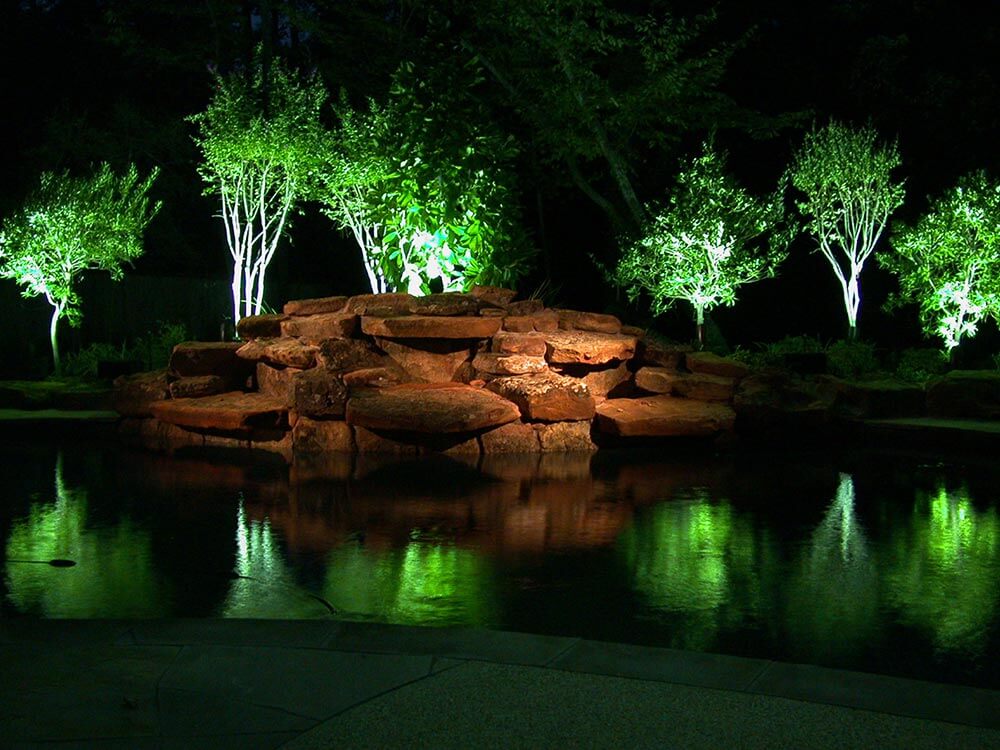
A well-planned residential outdoor lighting system can completely change that. With the right lights, your patio, pool, and landscaping feel welcoming on those warm summer nights when you actually want to be outside. You can see steps, enjoy your trees, and still keep the mood soft and relaxing.
In this guide, we will walk through the basics of how these systems work. We will cover transformers, low-voltage power, voltage drop, wiring layouts, and control options like timers, photocells, and smart controls so you can talk with a lighting pro and know what to ask for in your own Cypress backyard.
Core Parts of a Residential Outdoor Lighting System
Every outdoor lighting setup is a system, not just a box of lights. The main pieces work together so your yard looks good and stays safe and reliable.
Most residential outdoor lighting systems in Cypress use low-voltage power, usually 12V. This is popular because it is safer around pools, decks, and kids, and it allows more flexibility in fixture placement.
The core parts include:
- Fixtures like path lights, uplights for trees, deck and step lights
- A transformer that takes 120V power from your home and turns it into low-voltage power
- Low-voltage cable that carries power out into the yard
- Weather-resistant connectors where the fixtures tie into the cable
- A control device such as a timer, photocell, or smart controller
All of these parts have to stand up to Gulf Coast humidity and regular rain. That means:
- Fixtures made from quality materials, not thin plastic that fades and cracks
- Gaskets and seals that keep water out of housings and connections
- Proper mounting so lights stay straight and do not shift every time someone bumps them or the ground gets soaked
When everything is matched and installed as one system, you get better light, fewer problems, and a setup that can run night after night.
Transformers and Voltage Drop Made Simple for Homeowners
The transformer is the heart of residential outdoor lighting systems. It usually mounts on a wall near an outdoor outlet. Its job is simple: it steps down your home’s 120V power to safe low-voltage power for your landscape lights.
Choosing the right transformer size matters. It needs enough capacity for all your current fixtures, plus some room for future lights you might add around a new patio, garden bed, or outdoor kitchen. If it is too small, lights can run dim or strain the equipment.
As low-voltage power travels through the cable, some of it is lost along the way. This is called voltage drop. It shows up as:
- Lights near the transformer looking brighter than the ones at the far end
- The last few fixtures on a long run looking weak or uneven
- Areas of the yard that feel oddly dark even though you installed enough fixtures
Good system design keeps voltage drop under control. Common strategies include:
- Using the correct transformer taps so longer runs start with a slightly higher voltage
- Splitting the yard into several shorter runs instead of one long loop
- Placing the transformer in a central spot so no single cable run has to go too far
When the transformer is chosen and placed with these ideas in mind, your lights look even and consistent from one end of the yard to the other.
Wiring Layouts and Installation Methods That Last
The way the cable is laid out in your yard affects both performance and reliability. There are a few basic layouts that pros use, often mixing them on one property.
Common layouts include:
- Daisy-chain (fixtures spaced along one main line) for short paths and small beds
- Hub or “T” systems, where several shorter lines meet at a central point, for more even brightness on larger areas
- Zone-based wiring, where different areas of the yard are on separate lines and control zones, handy for front yard curb appeal versus backyard entertaining
Good installation is about what you cannot see. Some key details:
- Cable is buried at a safe depth, shallow enough for low-voltage but deep enough to avoid string trimmers and mowers
- Wires are routed around big tree roots and irrigation lines to avoid damage
- Connections are rated for outdoor use and protected from moisture so they do not corrode
In the Houston area, outdoor lighting must also respect safety rules such as GFCI protection for the outlet feeding the transformer and low-voltage practices that follow code. Professional installation helps avoid common DIY mistakes like loose connections, overloaded runs, and poor placement that shortens system life.
Choosing Timers, Photocells, and Smart Controls
Once the hardware is in place, you need to decide how your lights turn on and off. There are several control options, from simple to smart.
Basic choices include:
- Mechanical timers with small pins that you set for on and off times
- Digital timers that are easier to set and can handle multiple programs
- Photocells that turn lights on at dusk and off at dawn automatically
- Astronomic timers that track sunrise and sunset all year without you updating the schedule
In a place like Cypress where days are long in summer and shorter in winter, astronomic timers and photocells are very handy. They keep your lights on only when needed and adjust as daylight hours change.
Smart controls add another layer. With a smart system, you can:
- Use a phone app to turn zones on or off from the couch or while traveling
- Dim certain areas for late-night relaxing while keeping paths bright
- Set different scenes like “pool party” or “front porch only” with a tap
- Coordinate your lighting with outdoor mosquito misting systems for automated evening comfort
What you should choose comes down to your style. Many homeowners like a simple timer plus photocell for a set and forget approach. Others enjoy the flexibility of smart controls for pool parties, game nights, and holiday lighting scenes through the year.
Specifying the Right System for Your Cypress Home
Before you talk with a lighting designer, it helps to think through how you actually use your outdoor space. A short planning checklist can make that conversation much easier.
Ask yourself:
- Do you care most about entertaining, security, curb appeal, or a mix of all three?
- Which areas really need light, such as paths, steps, driveway, pool, trees, or outdoor kitchen?
- Do you want simple controls, or the flexibility of scenes and dimming?
- How much ongoing maintenance are you comfortable with, like occasional fixture cleaning or lamp changes?
It also helps to take a few photos of your property at dusk. Look for dark corners, spots where glare shines into windows, and awkward switch locations that are hard to reach. These simple notes give a pro a clear starting point for a custom plan.
As a family and veteran-owned company with many years of experience in Greater Houston, we design, install, and maintain residential outdoor lighting systems and mosquito misting systems that work together. The right mix of transformer, wiring, fixtures, and controls can turn your Cypress backyard into a space you actually enjoy using after dark, all year long.
Get Started With Your Project Today
If you are ready to transform your yard into a welcoming, well-lit space, our team is here to help you design and install tailored residential outdoor lighting systems that fit your home and lifestyle. At Texas Natural Concepts, we take the time to understand how you use your outdoor areas so every light has a purpose. Tell us about your project goals and budget, and we will recommend a clear path forward. To schedule a consultation or ask questions, simply contact us today.